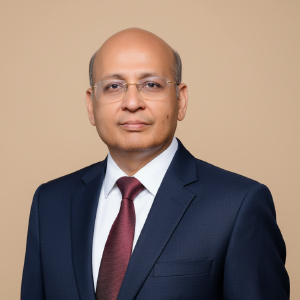
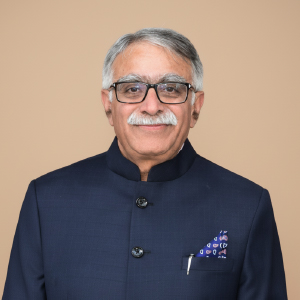
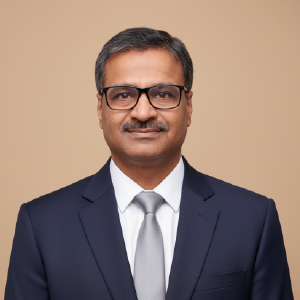
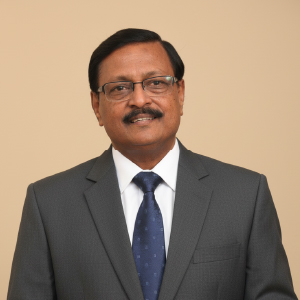
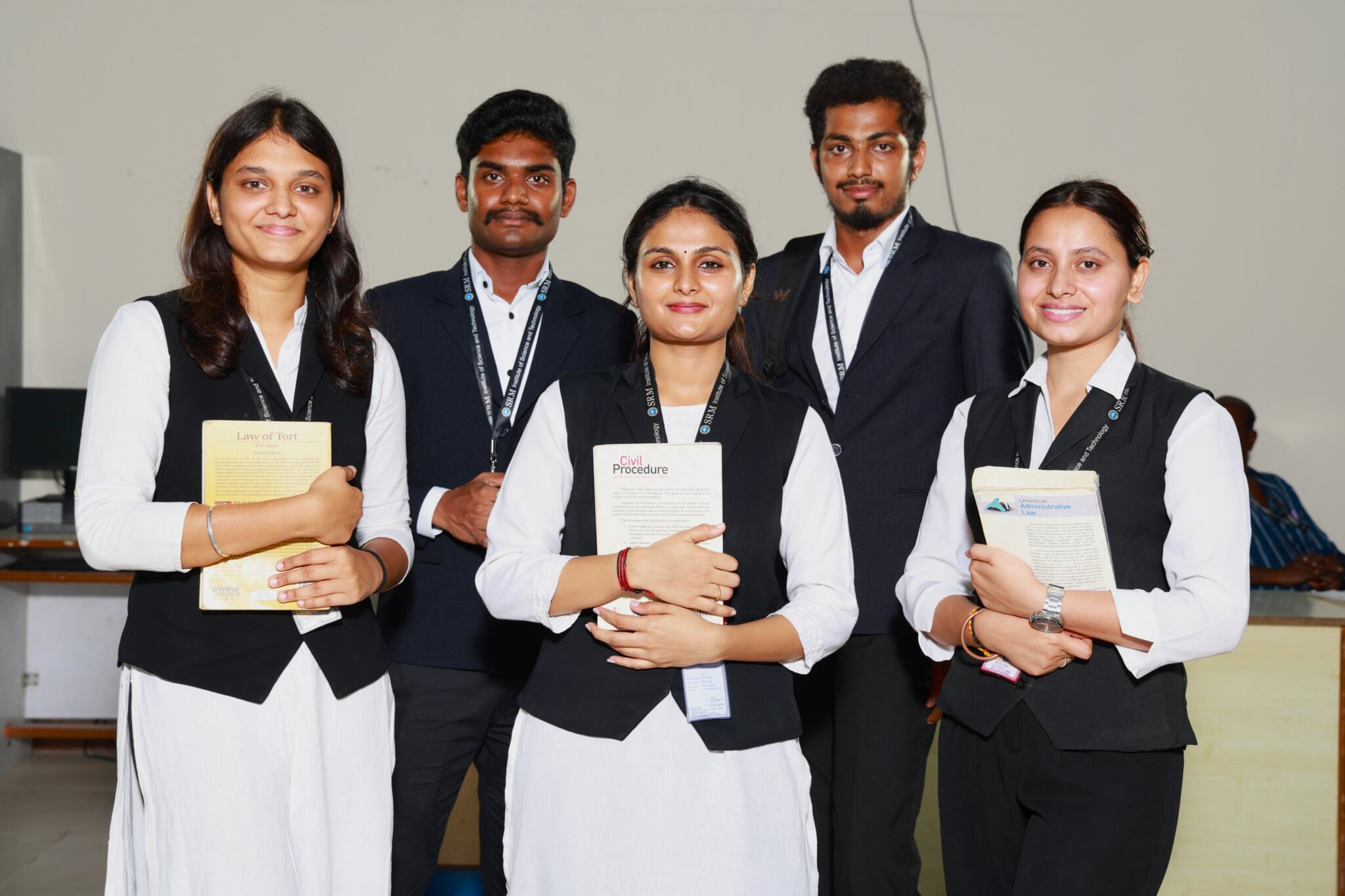
At SRM School of Law, we nurture future-ready legal professionals through academic excellence, critical thinking and a commitment to justice.
Lexposium
SRM School of Law provides students with diverse opportunities to develop a global perspective through international academic collaborations, exchange opportunities, global conferences, UK-focused academic pathways, international ADR initiatives, and engagement with internationally recognised research.
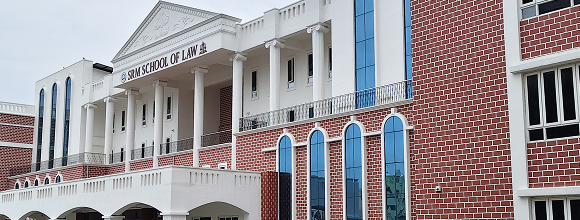
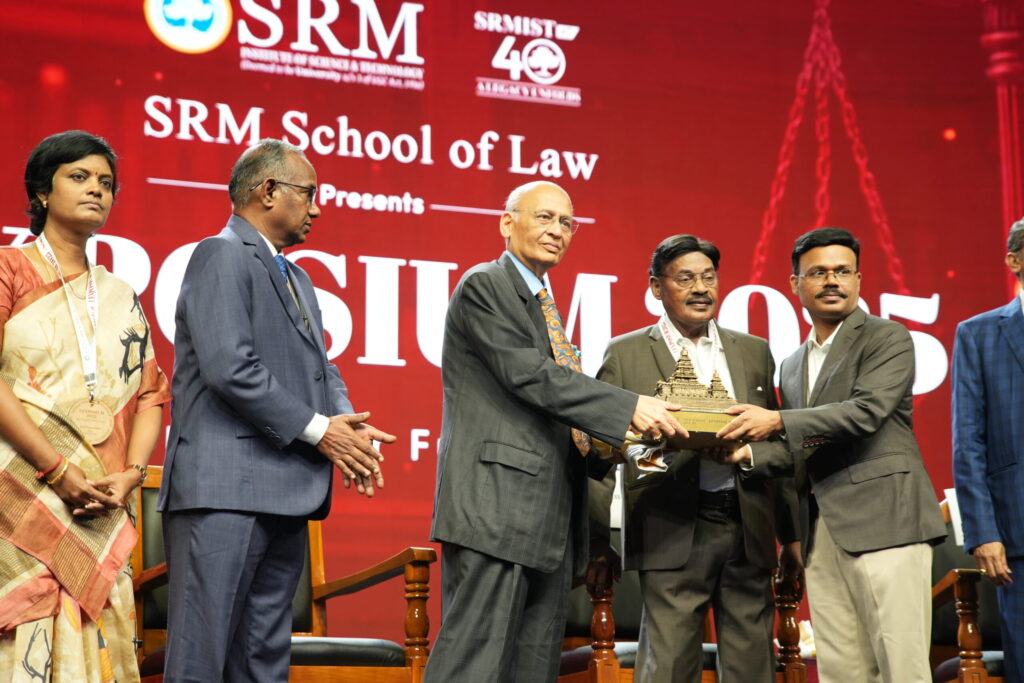
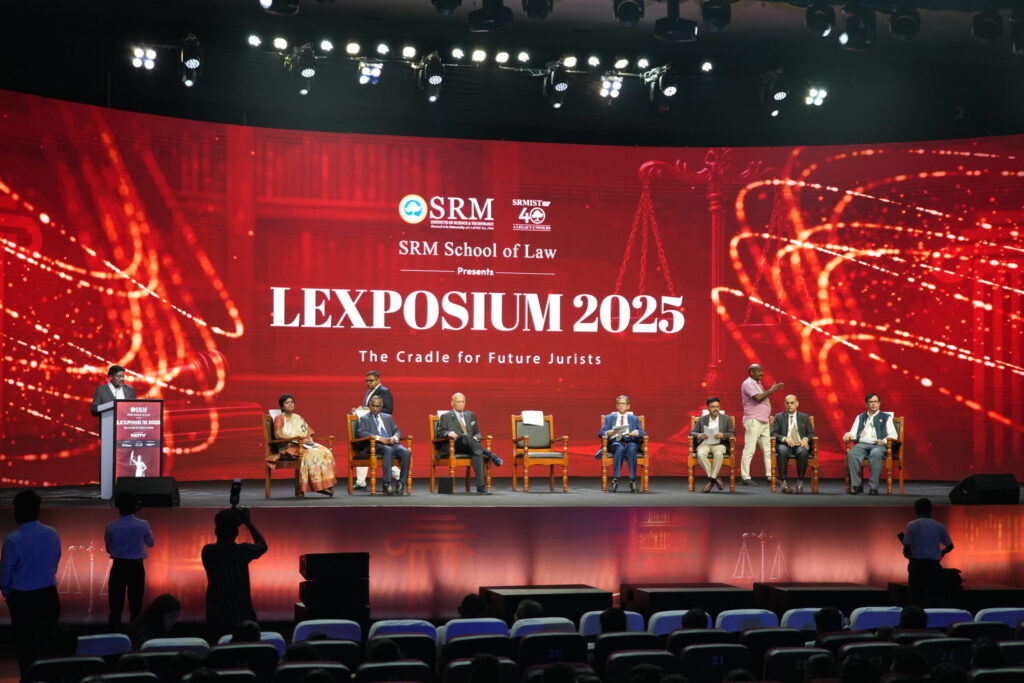
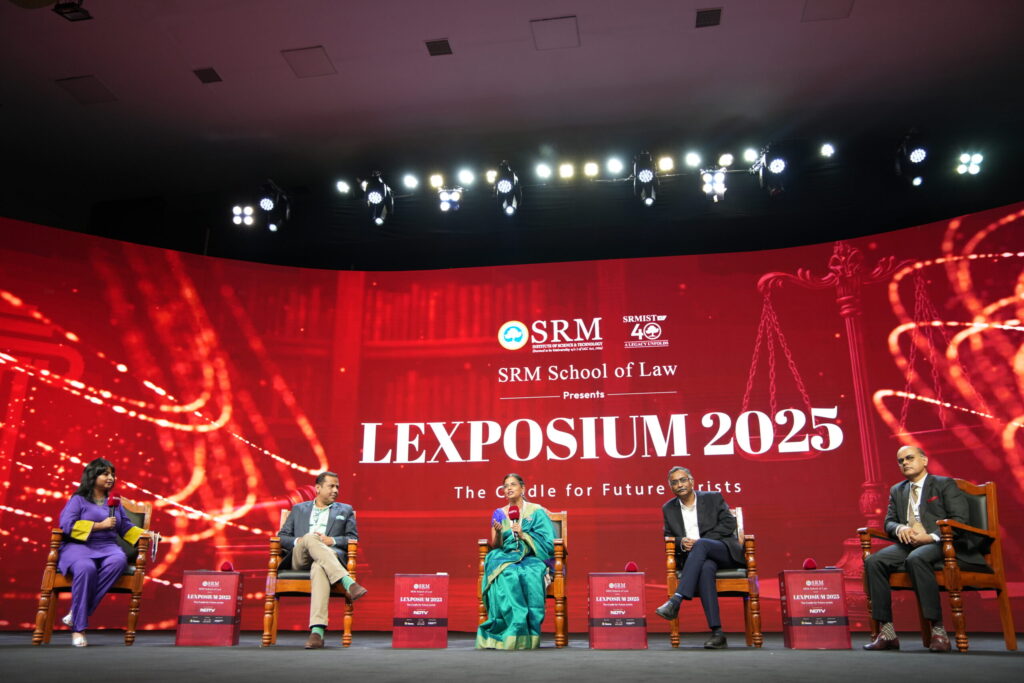
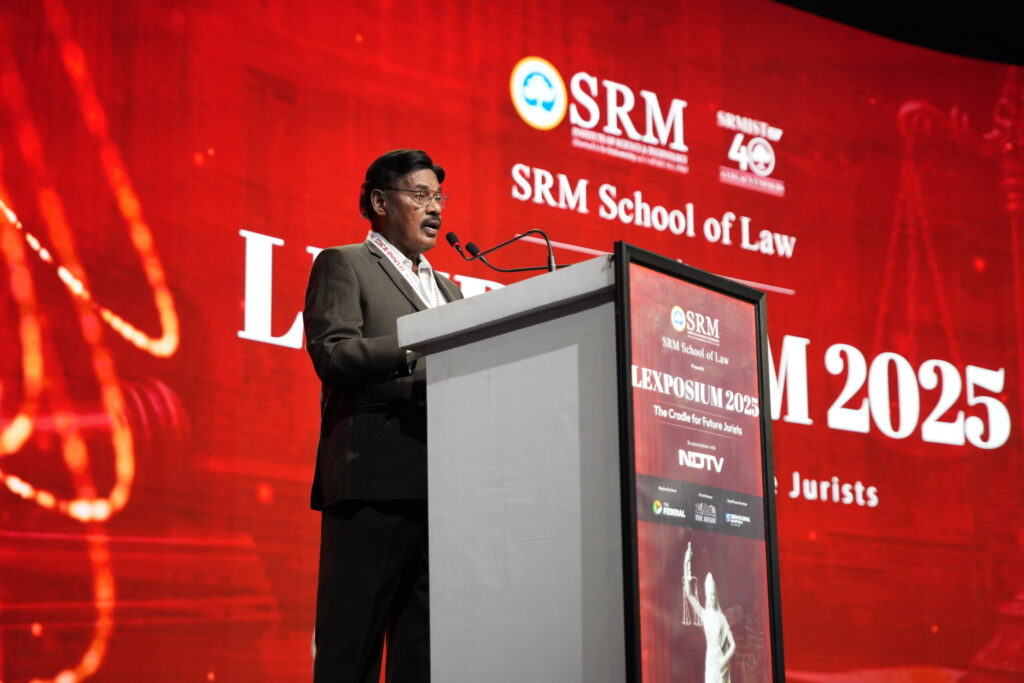
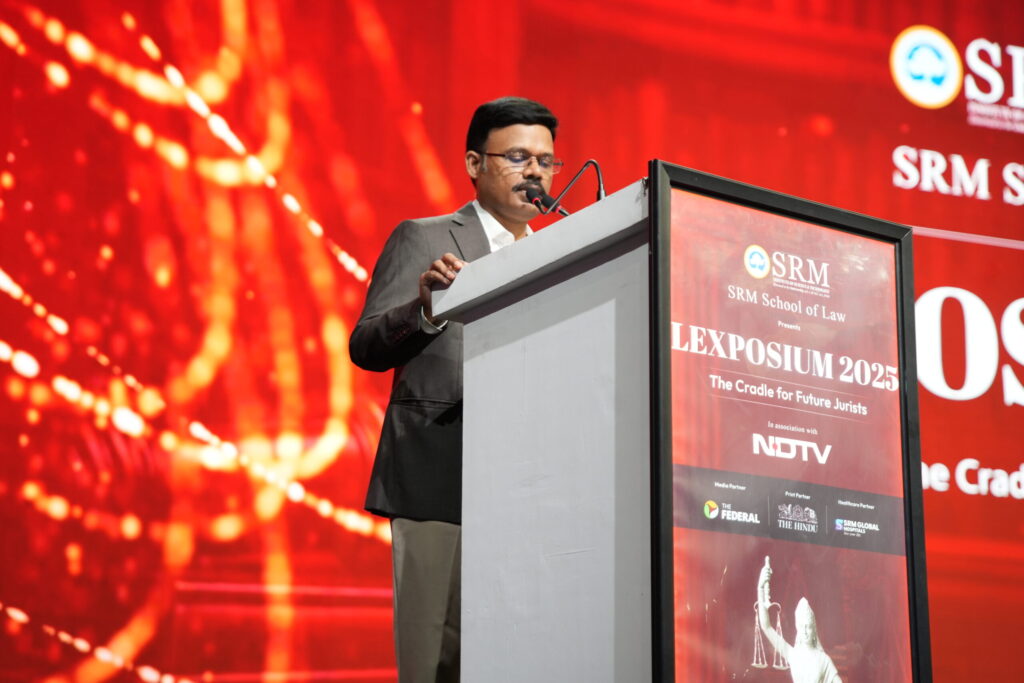
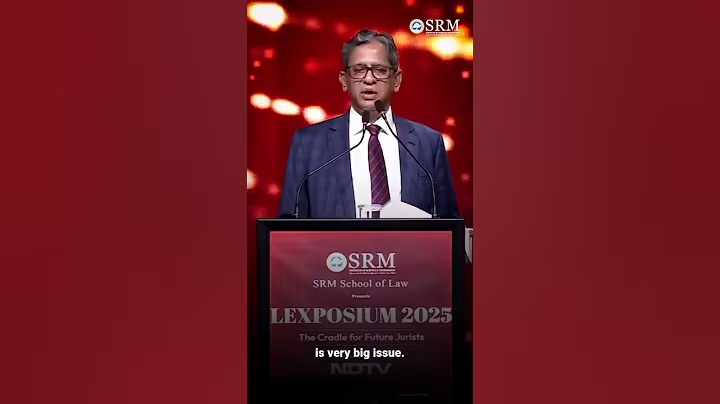
The SRM School of Law, SRMIST, Kattankulathur, marked a historic milestone on September 6, 2025, with the inauguration of its new Law building and the successful conduct of Lexposium 2025—The Cradle for Future Jurists, bringing together eminent judges, senior advocates, corporate leaders, and scholars.


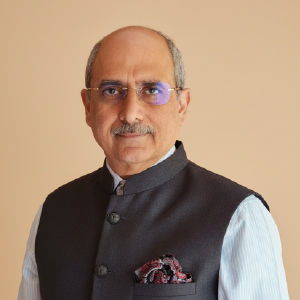
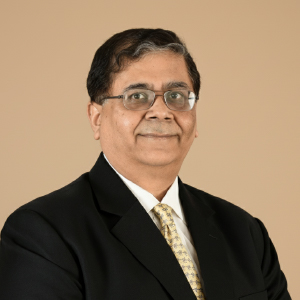
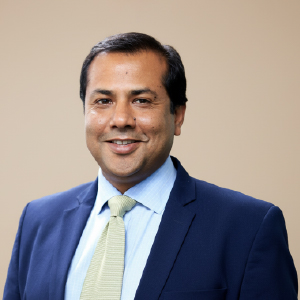
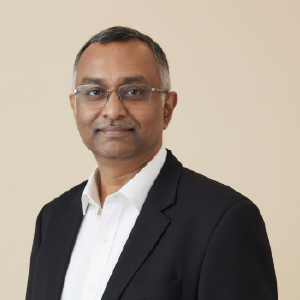
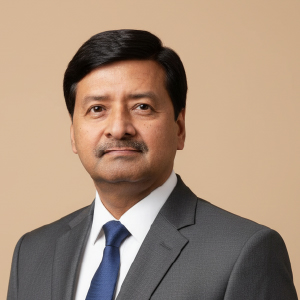
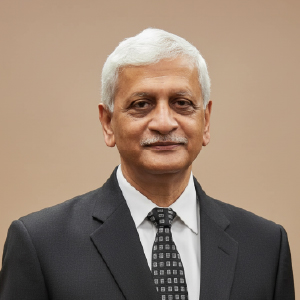
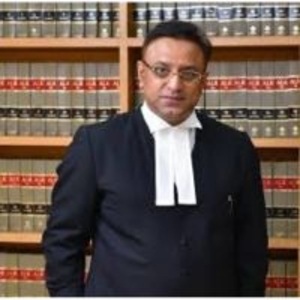
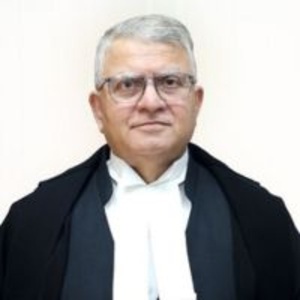
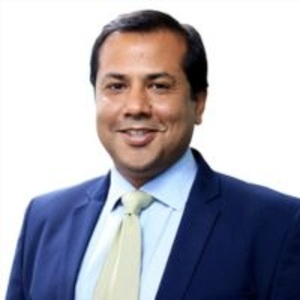
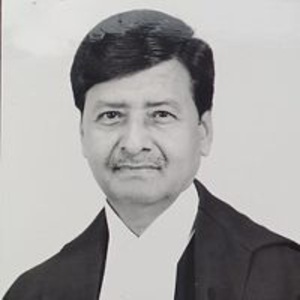
Hon’ble Former Chief Justice, Supreme Court of India.
Senior Advocate, Supreme Court of India
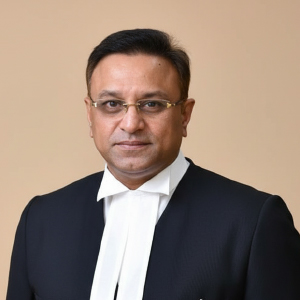
Hon’ble Justice, Supreme Court of India
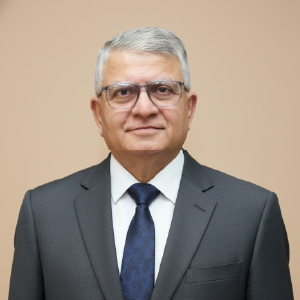
Hon’ble Former Justice, Supreme Court of India.
Additional Solicitor General
Former Additional Solicitor General
Senior Advocate, Supreme Court of India
Hon’ble Former Chief Justice, High Court of Orissa.
Hon’ble Former Chief Justice, High Court of Jammu & Kashmir
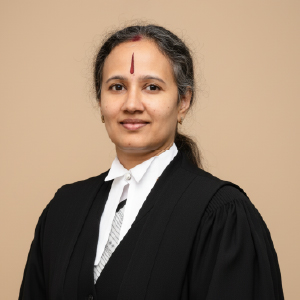
Hon’ble Justice, Madras High Court
Managing Partner, Cyril Amarchand Mangaldas
Senior Partner, PVS Giridhar Associates
Partner, Forensic & Financial Crime Strategy, Risk & Transactions, Deloitte India
Partner, Forensic and Integrity Services, EY
Hon’ble Former Justice, Supreme Court of India
Hon’ble Former Chief Justice, Supreme Court of India
Judicial Reforms & Modernisation
Improving efficiency, transparency, and accountability in the justice delivery system.
Constitutional Morality & Democratic Values
How constitutional principles guide policy, institutions, and social justice.
Uniform Civil Code (UCC)
Debates on feasibility, inclusivity, and its impact on diverse communities.
Cyber Law & Digital Safety
Rising cybercrimes, privacy protection, and the need for stronger cyber governance.
Artificial Intelligence in Legal Practice
AI ethics, automation in courts, predictive judgments, and responsible adoption.
Access to Justice: Speed, Affordability
The four pillars discussed as essential to citizen-centric justice.
Corporate & Financial Law Innovations
Evolving regulations for corporate governance, compliance, and fintech risks.
Technology-Driven Courtroom Transformation
E-courts, digital evidence handling, virtual hearings, and tech-enabled litigation
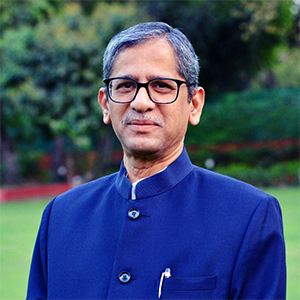
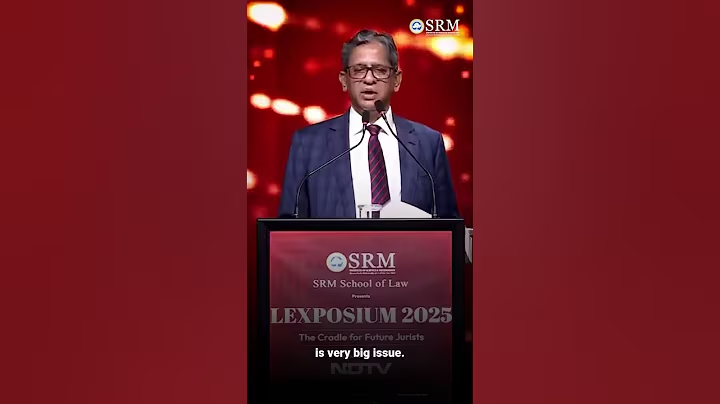
N. V. Ramana praised SRM for bringing world-class, value-based legal education that strengthens the economy, noting law’s unique challenges where outcomes depend on judicial processes, unlike other professions. He warned that loss of trust in courts leads to violence, stressed consultation for better legislation, judicial infrastructure, gender inclusivity with more women judges, and lawyers’ duty to promote constitutional culture amid failures to grasp its spirit. Post-independence courts are pillars of governance, but rushed laws cripple justice.
Dr. Abhishek Manu Singhvi noted India’s judicial review is so strong it would make Marbury v. Madison blush, yet pendency has risen from 3.3 crores in 2018 to 5.02 crores by 2023 due to chronic vacancies—never over two-thirds in higher courts or three-fourths in lower judiciary. He advocated a Common Minimum Programme, fast-track for cases over five years, retired judges as ad-hoc, quality appointments over quantity, technology for information sharing, better mediation via the 2023 Act, and addressing poverty as the real crime in justice delivery, with attitudinal shifts since the 1990s aiding management.
Justice Sanjay Karol described the Constitution not as a 1949 relic but a living compass and ethical statement alive only when practised in all life spheres. He questioned responsibility when technology denies rights, improves lives, yet spreads hatred, urging the state to protect dissent while citizens exercise it cautiously.
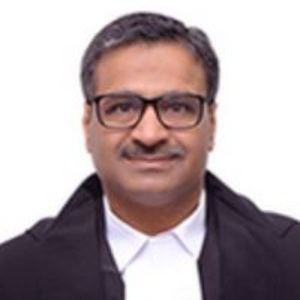
Justice Deepak Gupta remarked that the Founding Fathers lacked partisan minds, focusing solely on building a Constitution, yet 99% of litigants seek justice, not constitutional knowledge. He affirmed the right to dissent as quintessential, exercised within constitutional limits, allowing people to question governance.
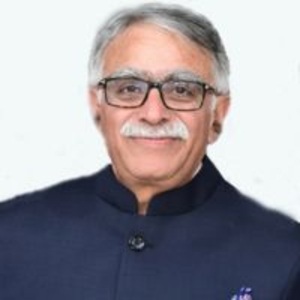
Satyapal Jain criticised the justice system as pro-rich, where common people cannot afford choice lawyers, facing daily difficulties in accessing courts, and urged mother tongue as the court language per state. He clarified that abuse of law does not invalidate it, and bail lacks a straightjacket formula, resting on judicial discretion.
Dr. Pinky Anand stated Article 370 brought Kashmir back into India’s fold with full constitutional application, while judiciary-legislature collaboration advanced women’s rights in succession and criminal laws. She emphasised the rule of law must pace with society—sometimes a blessing, sometimes a curse—and gender sensitisation elevates women to judgeship; legal literacy reaches the downtrodden for the poor’s justice.
Nalin Kohli advocated for the rule of law to keep pace with societal progress and emphasised that it serves as both a blessing and a curse in India’s context. He defended the collegium system as the most appropriate for judicial appointments despite its imperfections, warning that government control would lead to political interference since the government often appears as a litigant.
Dr. Pradeep Rai defended the collegium system for judicial appointments, acknowledging it may not be perfect but remains the most appropriate to avoid political interference since governments frequently litigate in courts. He argued that majority decisions, as in the NJAC case, may not always be right, prioritising the rule of law over empowering the government in judge selection, which would prove disastrous.


Chakradhari Sharan Singh stressed hard work, dedication, and commitment for law students to practice, noting the legal profession’s unique constitutional recognition for judgeships. He positioned youth to tackle challenges by combining law with sociology, psychology for social change, using technology for underprivileged access, and integrating social justice in curricula as engines of innovative justice evolution.

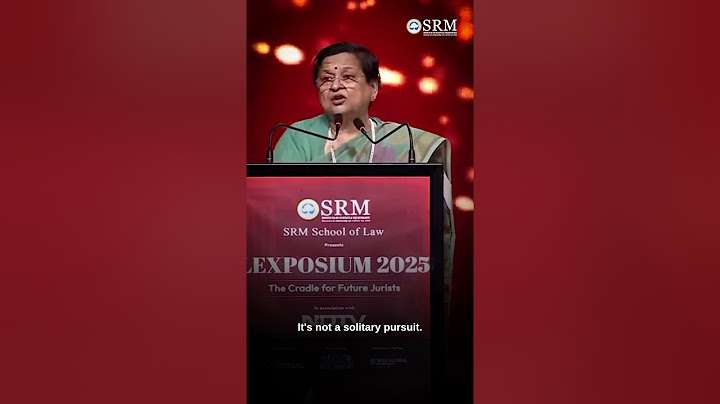
Gita Mittal defined access to justice beyond courts, hindered by financial penury for the underprivileged amid multiple barriers, with four pillars: effective adjudication, geographic accessibility, speed, and affordability. She prioritised perjury, contempt, order execution, urged strengthening institutions like Singapore’s commercial hubs, and lawyers as social change catalysts—mediators, activists, policymakers beyond litigation, chipping away injustice without compromising values.
Dr. Anita Sumanth linked access to justice with deep commitment and duty, extending to human-wildlife conflicts where all creatures deserve fairness. She promoted mediation like Madras High Court’s Sumaraasam Seiya Palazhag across 38 Tamil Nadu districts for an accommodative society, reducing case times via no adjournments, crisp briefs/arguments, portraying justice as democracy’s oxygen in classrooms, workplaces for women and marginalised.
Cyril Shroff contrasted law’s linear progress with technology’s exponential, identifying AI challenges like bias, safety, and institutional capacity, yet useful under human oversight for speed. He advised young lawyers as generalists for broad experience before specialisation, betting on Indian versatility over foreign specialists, awareness of AI risks, pursuing ESG litigation potential, and advancing Viksit Bharat 2047 via new developments.
Ms. Swapna Sundar noted law firms prioritise cybersecurity over corporates due to data volumes, with Jayant Saran emphasising data protection ecosystems, Arunbalaji Alagappan warning AI creates jobs but needs human control to avoid bias via apt prompts, and Prof. A. Vinay Kumar urging lawyers to harness technologies despite vulnerabilities. They stressed non-overdependence on AI, honing cognitive skills via statutes/cases, and technology as an enabler for skilled Indian lawyers in GCCs.
Mr. Jayant Saran leads Forensic Technology at Deloitte India with nearly two decades of experience in investigations, anti-bribery and corruption, forensic technology, and regulatory compliance. His expertise spans cybercrime, bribery investigations, e-discovery, dispute resolution, and regulatory queries. Saran emphasises data protection as key to cybersecurity, highlighting the importance of sharing accurate, unbiased information to influence, shape, and secure legal and financial processes amid rising digital threats.
Mr. Arunbalaji Alagappan focuses on forensic and integrity services at EY, stressing that while AI will create new job avenues, it must always be supervised by humans to prevent bias and errors. He emphasises that AI tools require proper input prompts to deliver correct outcomes and that legal professionals must equip themselves with new technologies to remain effective in a rapidly evolving legal and forensic landscape.
Ajay Rastogi appreciated Lexposium for discussing contemporary issues, defining justice variably as labour/social, urging lawyers who argue both sides with limitless potential, respecting the law first, as it heals rifts. He advised compassion, ground realities beyond AI, self-awareness of negatives as strength, inclusive pendency talks for trial courts/common man, strengthened academics, labour justice via fair wages, safe hours/places, unions, and efficient courts balancing growth with worker dignity/inclusion.
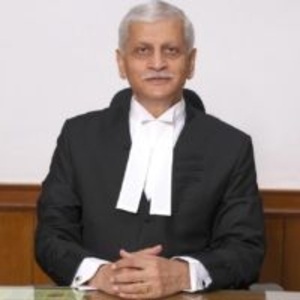
U.U. Lalit viewed the Uniform Civil Code as a DPSP governance policy needing lawmakers’ decision, not a court like Unni Krishnan, with privacy as Part III right but data protection as property for the judiciary. He criticised excessive Article 136 SLPs needing filters, state prosecutions only with high conviction odds to cut pendency/bail, mandatory prosecutor internships like medical ones (one year sufficient vs. three) for practical readiness.
SRM School of Law, SRMIST, is committed to shaping ethical, competent, and socially responsible legal professionals through rigorous academics, research, and values-based training. Recognised by the Bar Council of India, it offers a full spectrum of programmes with a strong emphasis on moot courts, internships, and real-world exposure.
Set within a multidisciplinary and multicultural campus, students benefit from cross-disciplinary learning, vibrant campus life, and interaction with leading judges, lawyers, and public servants. Lexposium 2025 embodies this spirit—bringing together ideas, advocacy, and professionalism to engage with emerging legal challenges.